Walks: Palm Springs, Indian Wells
Distance: tbd
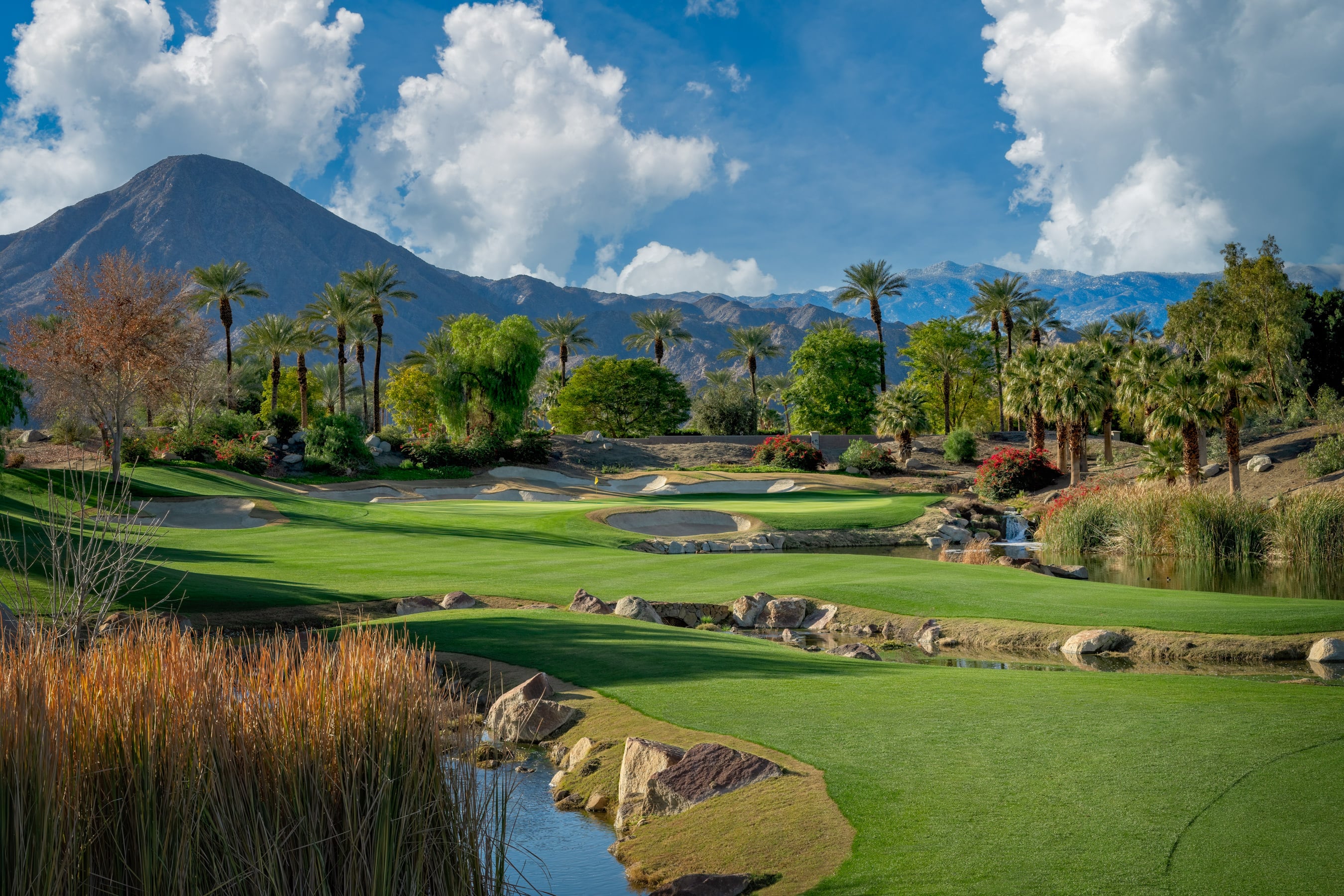
Ciwt is off to Palm Springs to spend time with family. She'll meet you on CIWT in 5 days.
 |
Walks: Palm Springs, Indian Wells
Distance: tbd
Ciwt is off to Palm Springs to spend time with family. She'll meet you on CIWT in 5 days.
|
So, Ciwt couldn't help but wonder what the opera lovers in the SF Ballet audience yesterday were thinking during its new dance version of the beloved Carmen.
The music is almost entirely new (but catchy and pretty hip). Carmen is not a cigarette factory worker; she's a waitress. And she's in Cuba, not Spain. She's married in this dance. And, oh, she comes to realize that she is a lesbian after all.
Ciwt and the season ticket holders sitting around her are a pretty open-minded (though mostly mature) group, and none of us got into this Carmen. If the dance was 'modernized' for the younger audience, judging from the tepid applause at the end, it didn't sound like they got into either. Ditto our local dance reviwer.
Walk: Legion of Honor, SF Ballet
Distance: 3.5 miles
 Yoshu Chikanobu (Japanese, 1838-1912), Imperial Party Visits the Park at Asukayama, 1888, color woodbock triptych |
 |
| enlargement |
Walk: Presidio
Distance: 5 miles
| Katsushika Hokusai (Japanese),Under the Wave off Kanagawa (Kanagawa oki nami ura), also known as The Great Wave, from the series Thirty-six Views of Mount Fuji (Fugaku sanjūrokkei), ca 1830-32, woodblock print, ink and color on paper Probably the singlemost iconic example of East meets West in the printmaking world is this stunning woodblock by Japanese artist Katsushika Hokusai (1760-1849). In depicting three boats moving through a huge cresting wave in a storm-tossed sea, Hokusai experimented with western linear technique, the first Japanese artist to do so. And his use of Prussian blue in The Great Wave revolutionized Japanese prints. Hokusai visited the subject of waves multiple times throughout his career, using the few Dutch landscape prints accessible in Japan at the time as source material. In this print he creates a perspective entirely new to Japanese prints by making the boats in the foreground larger than Mount Fuji in the background. And he uses rich blues produced using a combination of traditional indigo with the first modern (and Western) pigment, Prussian blue - invented in Germany and imported through Dutch and Chinese trade. Hokusai's printed fusion of Eastern and Western Influences was wildly heralded by the Impressionists and Post-impressionists in Paris. Themes echoing his work appeared in works by Monet and Renoir as well as Art Nouveau. His woodcuts were collected by many European artists including Degas, Gauguin, Klimt, Marc, Manet and van Fogh. Degas said of him, "Hokusai is not just one artist among others in the Floating World. He is an island, a continent, a whole world in himself." The French composer Claude Debussy's tone poem La Mer, which debuted in 1905, is believed to have been inspired by Hokusai's print The Great Wave. The composer had an impression of it hanging in his living room and specifically requested that it be used on the cover of the published score, which was widely distributed, and the music itself incorporated Japanese-inflected harmonies. |
Walk: Hood
Distance: 2.5 miles

Ciwt was surprised to learn that one art subject majorly affected by the arrival of Americans and other Westerners to Japan was pornography. Or what Americans called and still call pornography. Until they arrived, the Japanese just called it art.
Every conceivable coupling was made into a woodblock print, distributed and displayed in Japan as Art. In the U.S., such prints wouldn't have been legal; in European countries they would usually be created on commission by 'gentlemen' who would hang their prints in clandestine rooms shared only with 'gentlemen' friends.
But not so in Japan. For one thing nudity was not inherently erotic in Japan where people were used to seeing the opposite sex naked in communal baths. Vividly explicit sexual prints were abundant and very often given as gifts to brides and shared by parents or other adults with children of all ages. The Shogun's occasional disapproval of erotica was largely ignored, and Western Puritanical moral principles were utterly unheard of in Japan. Things people would be arrested for having on their computers in the West today were completely accepted as A-R-T.
Ciwt isn't sure exactly what changed in this regard with opening of Japan among Japanese artists and print collectors. But certainly the Western (and Puritanical) tourists and people who moved or stayed in Japan were scandalized and horrified and probably initiated protests and censorship to the best of their abilities. Their children, as they do today, probably snuck around to look at the prints anyway. And the Japanese art communities would have been under pressure to at least rein in the publication of erotic art. For instance, the Legion's show has hung the erotic prints are in a separate room with warning signs outside it. "Beware; sexually explicit material ahead." That kind of thing.
Ciwt is no prude, but all this explicit and accepted erotica was actually quite shocking to her - several other press members at the preview as well. In the process of getting a clearer understanding from the curator, even she admitted to being surprised when she learned of the prominent role erotic prints played in Japanese art and society.
Walk: Legion of Honor Museum
Distance: 2.5 miles
 |
| Kitagawa Utamaro (1753-1846), Wife of a Virtuous Man from the series Ten Beautiful Women, 1797-1800, Color woodcut, 13x8 7/8 inches |
 Tsukioka Yoshitoshi (1839-1892), Strolling from the series Thirty-Two Customs and Manners, 1888, Color woodcut, 14 1/6 x 9 7/16" |
Walk: Legion of Honor Museum
Distance: 1 mile (still nursing cold)

So, after museum 'hopping' through cold rain, busloads of school groups, throngs of their teachers and parents, the best part of Ciwt's trip began when she met a dear friend at the Kennedy Center.
We had nearly front row center tickets to the revival road show of Tony-winning musical, Company. We'd both read the glowing review of the production in the Washington Post, but only Ciwt had read the readers' comments. If there were 25 of those, most were so-so and several were decidedly negative. Like, The show was horrible. Everyone around us said the same thing. People left at intermission. And The cast worked as hard as they could, but the show itself is awful. Understandably this made Ciwt a bit apprehensive.
But she needn't have worried. We sat in our great seats, heard (nearly) every word, applauded the excellent cast and thoroughly enjoyed the show. Who knew what all those commenters were so upset about we ageeed.
Then a couple of days later Ciwt got a call at home from her friend. Appparently, she had a friend who went to Company with 'our' recommendation in mind. And, well, that friend couldn't make out a word through the muffled accoustics and left at intermission. Maybe she was sitting too far from the stage? No, she reported that people up front left as well, some standing up and getting out even before intermission.
What to make of this? Maybe Ciwt and her friend were in a sort of personal company bubble. Since they live on opposite coasts, it may have been such a treat to be in each other's company and in such excellent seats that they weren't particularly bothered by the 'small stuff.'
(.... Although it did come out in conversation later that both missed entire (short) acts due to the muffling .... And a marijuana scene didn't work for either of them but did for the people behind who may have been stoned...... And they've been very critical of other performances seen together.... )
Walk: no, home nursing airplane cold
Distance: n/a

 where she was welcomed (see above) and extremely well served.


