Friday, August 14, 2020

Coyote Ciwt --- Days 9/120 & 121

Walk: 1. Presidio and Chapeau Restaurant  2. Presidio
Distance:  1. 3 miles, Pedal  2. 2.5 miles, Pedal
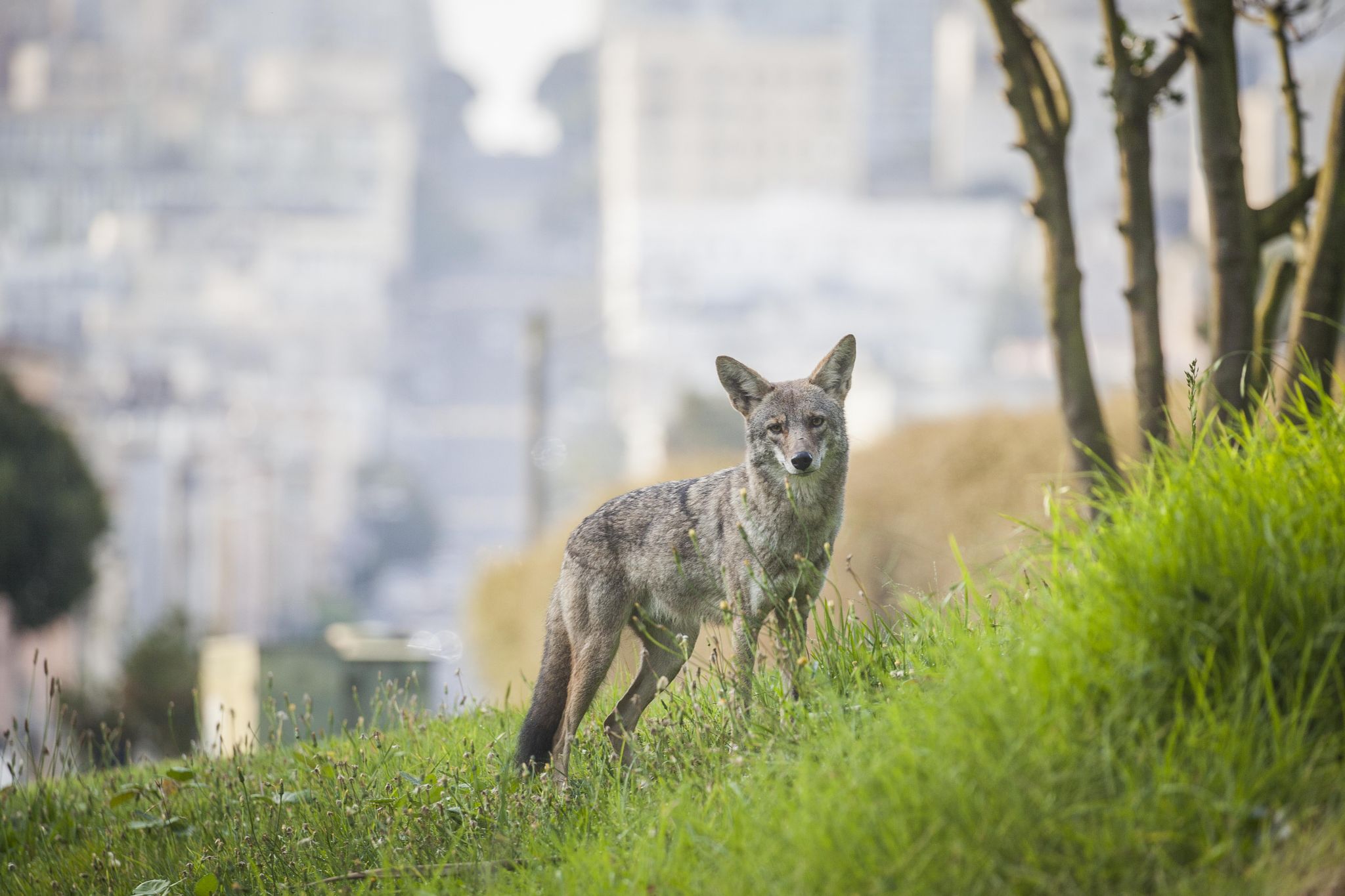


So, yesterday in the Presidio there was a coyote just hanging out a few feet away from Ciwt.  We looked at each other for a while, then it returned to whatever it was hunting in the tall grass and Ciwt walked on.  No more dramatic than encountering a dog.

At first she was concerned that there was something unhealthy about 'her' coyote because it was out in the daylight.  But turns out, daytime is the coyotes' usual and prefered hunting time.  And, back to that dog, Ciwt assumed if she had one and was walking it, the coyote would have have attacked it.  But, wrong again.  Coyotes aren't waiting to eat dogs at the first opportunity and they don't dumpster dive.  They prefer a 'natural diet' of small rodents and fruit mainly as well as deer and rabbits.  All this if they aren't guarding pups; if they are, they will assume dogs are a danger to their young and growl aggressively or possibly attack if the dog gets too close.

If she'd been walking her cats (fat chance!!), it might have been a different story.  Coyotes do sometimes prey on cats and small dogs, but it is much more uncommon then some scare tactics would have us believe.

Usually coyotes prefer to steer clear of humans and do their best to hide.  This serves them well because the most dangerous thing that can happen to a coyote is being fed by humans.  Feeding coyotes is sometimes done on purpose but most often happens accidently when pet food is left out on porches or bird seed collects on the ground around feeders or when hikers toss apple cores and other uneaten items.  The saying "A fed coyote is a dead coyote" comes from the fact that coyotes lose their fear of humans and even become aggressive when they are being fed by people.  At that point, the coyote can become a problem animal and animal control has no option except to put it down.

Luckily the Presidio Trust has had a coyote management plan since 2004.  Just in the nick of time.  Coyotes, which are native to San Francisco, were gone for almost a century. There a few sightings in 2002, and two years later, Golden Gate Bridge officials viewed video of a coyote dashing across the span from Marin County in the dead of night.  Now it is estimated we have between 25 and 50 coyotes around the city at one time.  Those might go in search of new territories and spread out, but new pups will be born in the old territories.  In other words, they are back to stay, and Ciwt will probably encounter many more of them in her Presidio walks.


Wednesday, August 12, 2020

Art Quiz 2 --- Day 9/119

Walk: Legion of Honor, Dutch Windmill (a little sightseeing)
Distance: 1 mile, Yoga

So today's 'art quiz' is a bit more difficult that yesterday's, at least for non-traveler Ciwt.

It involves a series of woodblock prints by Hiroshige titled 53 Stations of the Tokaido.  You've probably seen images somewhere in your travels, but what do you know about them?


1. Who is/was Hiroshige?
2. When did he make his series?
3. What is/was the Tokaido Road?
4. Where is it, how long is it and how was it traveled?
5. What are some modern spin offs from Hiroshige's  series of prints?

Ready to compare your answers with 'the facts?'

1. Hiroshige (1797-1858) was a Japanese master artist who was born in Edo as Tokutaro Ando and was bestowed with his artist name, Hiroshige, by his first and celebrated teacher Utagawa Toyohiro.

2. Hiroshige created his 53 Stations of the Tokaido from 1832-1833.

3. The Tokaido Road, roughly meaning 'eastern sea route,' was the most important, scenic aand best traveled of the Five Routes connecting Kyoto to Edo (modern day Tokyo), the imperial capital.  It was inaugurated in 1603 (along with the other routes) by the ruler of Japan and was almost immediately thronged with Japanese merchants, farmers, and peasants enjoying the newly relaxed restrictions on travel.  Twice yearly the daimyo, or feudal lord ruling class, made their required entourages to the seat of power in Edo - sometimes with caravans of as many as 20,000.


Hiroshige, 25th Station of the Tokaido

4. The Road is 319 miles long originally with 53 government-sponsored stations along the route with horse stables, lodging, food, and other amenities. Social status was indicated by the manner of trave:  the daimyo and upper classes traveled by norimono (litters) Jaarlijkse hofreis van Dejima naar Edo.jpg and those with less funds were carried ion the much more cramped kagos. The majority of the travelers were pedestrians.

No matter what their status, most people at some point traveled by boat to get across the wild-flowing rivers encountered along the Tokaido.  The length of time to make the entire journey on foot  between the two important cities was dependent on weather; in ideal weather it could be made in about a week, but if conditions were harsh, the trip might take a month.

5. Today the Tokaido corridor is the most heavily traveled transportation corridor in modern Japan.  Obviously it is no longer a footpath, but here and there remains of the original can be found and walked.  Meanwhile, for those not so industrious, there are board and video games
A Tokaido board game in progress

Is all this new information about some simple, charming prints as new to you as it was to 'art expert' Ciwt?  It is this type of learning that keeps her hooked on art.  A single work (whether she likes it or not) can open the world in so many different ways.  


Tuesday, August 11, 2020

Chat Noir Quiz --- Days 9/117 and 118

Walk:1. No  2. Presidio/Hood
Distance: 1. Yoga  2. 3 miles, Yoga

A while ago Ciwt let herself get lured into comparing her NYT news awareness skills with a friend and her family, - all of whom seem to be professional news quiz takers.  Each week she becomes aware of the gap between what she thinks she knows about current events and the actual facts.  That unfortunately has put her in touch with some of those gaps in her art knowledge.

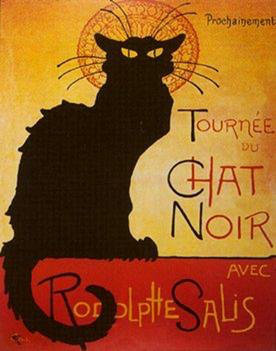
For instance, she thought she was familiar with this famous poster:


Maybe you are as well.  Well, let's test that familiarity with these questions.

1.  What is or was The Black Cat (Le Chat Noir in French)?  And where was it?
2.  Who is or was its owner?
3.  Who was the artist who created this poster? Where was he from and where did he live?
4.  Did he actually like cats?

Have your answers?  Okay, let's see how you did.

1. Le Chat Noir was an 19th century entertainment establishment in the bohemian Montmartre district of Paris and is believed to be the first modern cabaret.  It also functioned as a salon where
artists met, and it published a weekly magazine with literary writings as well as news of Montmartre.

2. It's owner was the empresario Rudolphe Salis.  He opened Le Chat Noir in November 1881 and his death in 1897 is the probable reason it closed shortly thereafter.

3. The artist is Theophile-Alexandre Steinlen (1859-1923).  He was an Art Nouveau printmaker, issustrator, painter and sculptor who moved to Paris with his wife and daughter in 1881 and made Montmartre his home.  He illustrated various magazines and books by Guy de Maupassant and the poet Anatole France.

4. Yes!  As a young schoolboy he fondly (and skillfully!) drew cats in the margins of his textbooks, and when he first got to Paris his cat sketches were so popular he was able to sell them to support himself and his family. 

His home in Montmartre was well known by the neighborhood cats who were welcome to prowl around his studio in whatever numbers decided to arrive. Perhaps the cats sensed Steinlen respected them.  He and portrayed them as elegant and sophisticated, not cute and mischievious like most artists depicted them in the 19th and early 20th centuries.  

Theophile Steinlen sculpting a cat 1913

So, how did you do?  Don't worry; Ciwt knows the feeling.....


Sunday, August 9, 2020

It's Mine! --- Days 9/114, 115 and 116

Walk: 1. No, donation project  2. No, donation project  3. Presidio, project over                                    Distance:  1. Yoga 2. Yoga 3. 2.5 miles, yoga


Oh, there you all are, Loyal Readers.  Ciwt has been so preoccupied with all her what to give/what to keep decisions she has been neglecting you.  

At first it was easy to know exactly what she was done with and happy to give away.  Then came the things that she had to think a bit harder about.  And finally came those things she absolutely knows she will probably never use or wear again BUT needs to keep.  Why?  She isn't sure, but for some reason she simply isn't ready to let them go.  The tidiness people would be soooo disappointed in her, but there it is.

Thursday, August 6, 2020

Shoe Tornado --- Days 9/112 & 113

Walk: 1. No, Freezing Out There 2. Food Runs
Distance: 1.all clothes, on/off  2. 3 miles, yoga, shoes, on/off

Ciwt likes to support Dress for Success San Francisco, an organization that empowers women to achieve economic independence by providing professional attire among other services.  They are having a donation campaign (by appointment) next week so Ciwt is going through all her shoes to see if any will do (that she is ready to part with).  

Yesterday it was all her clothes.  So, a major closet caper - for a good cause.


Tuesday, August 4, 2020

xo, Ciwt --- Day 9/112

Walk: Mountain Lake
Distance: 6.4 miles

Every year just before her birthday Ciwt finds herself buying gifts ---   for herself.  Nothing too much, just ....

a little diamond teabag
a teeny diamond teabag 


a few rolls of gold toilet paper 


Oh, and a 

Gold Bike


Monday, August 3, 2020

Courage and a New Tee --- Day 9/111

Walk: Presidio and Clothes Shopping! (Just a couple of tees, but still nice to be in a store)
Distance: 4 miles


Today Ciwt needed to buy a new tee before a Zoom call with high school classmates she hasn't seen since the 60's.  Oh dear.


Saturday, August 1, 2020

You Are What You Look At --- Day 9/110

Walk: No, reading and rest (tired from Nuts and Bolts)
Distance: 0, small yoga


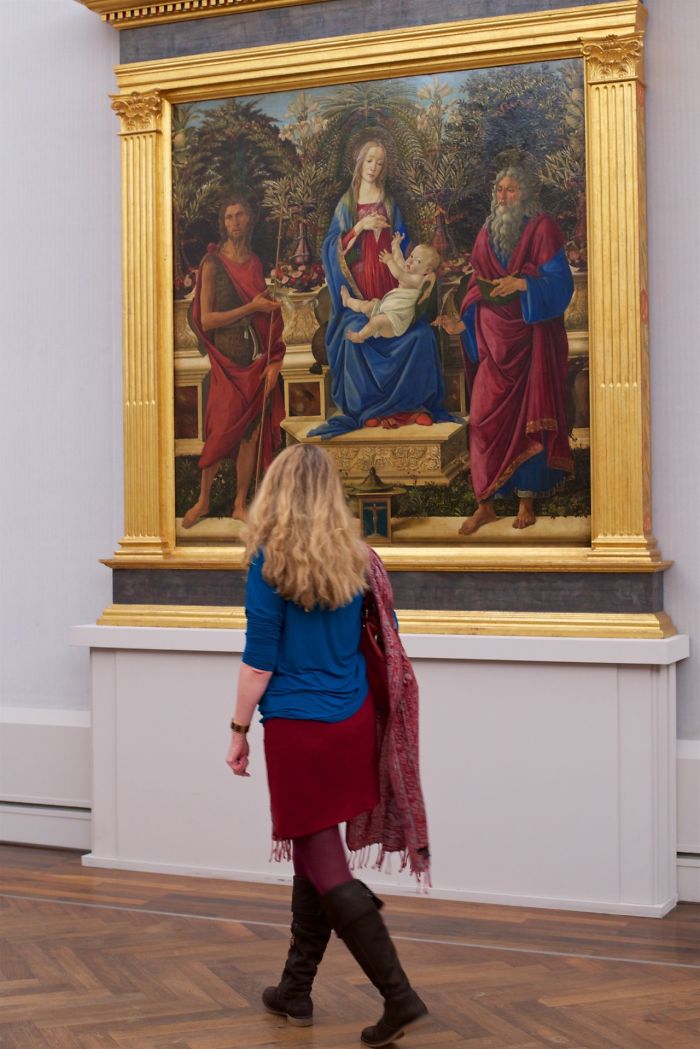
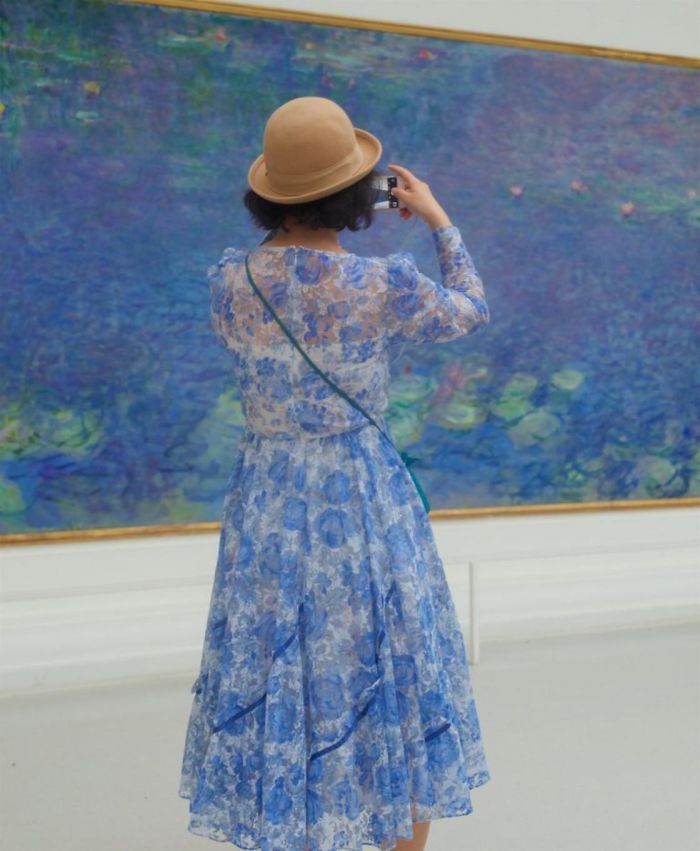
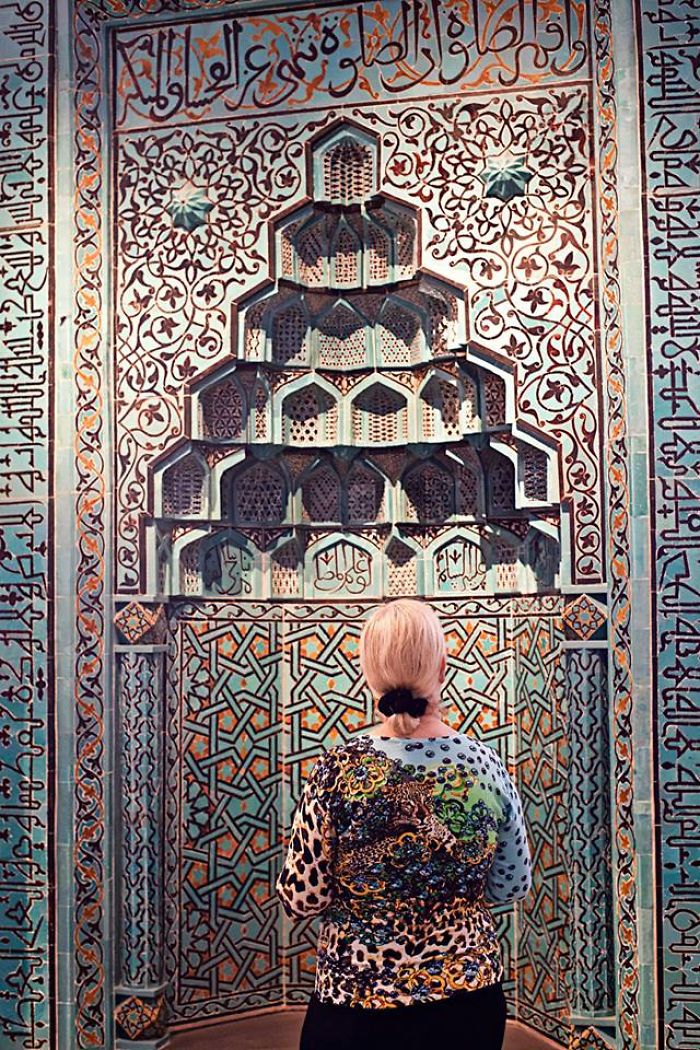
All images captured by France-based photographer Stefan Draschan who patiently sits in galleries for days waiting for visitors who 'match' the artworks they observe.